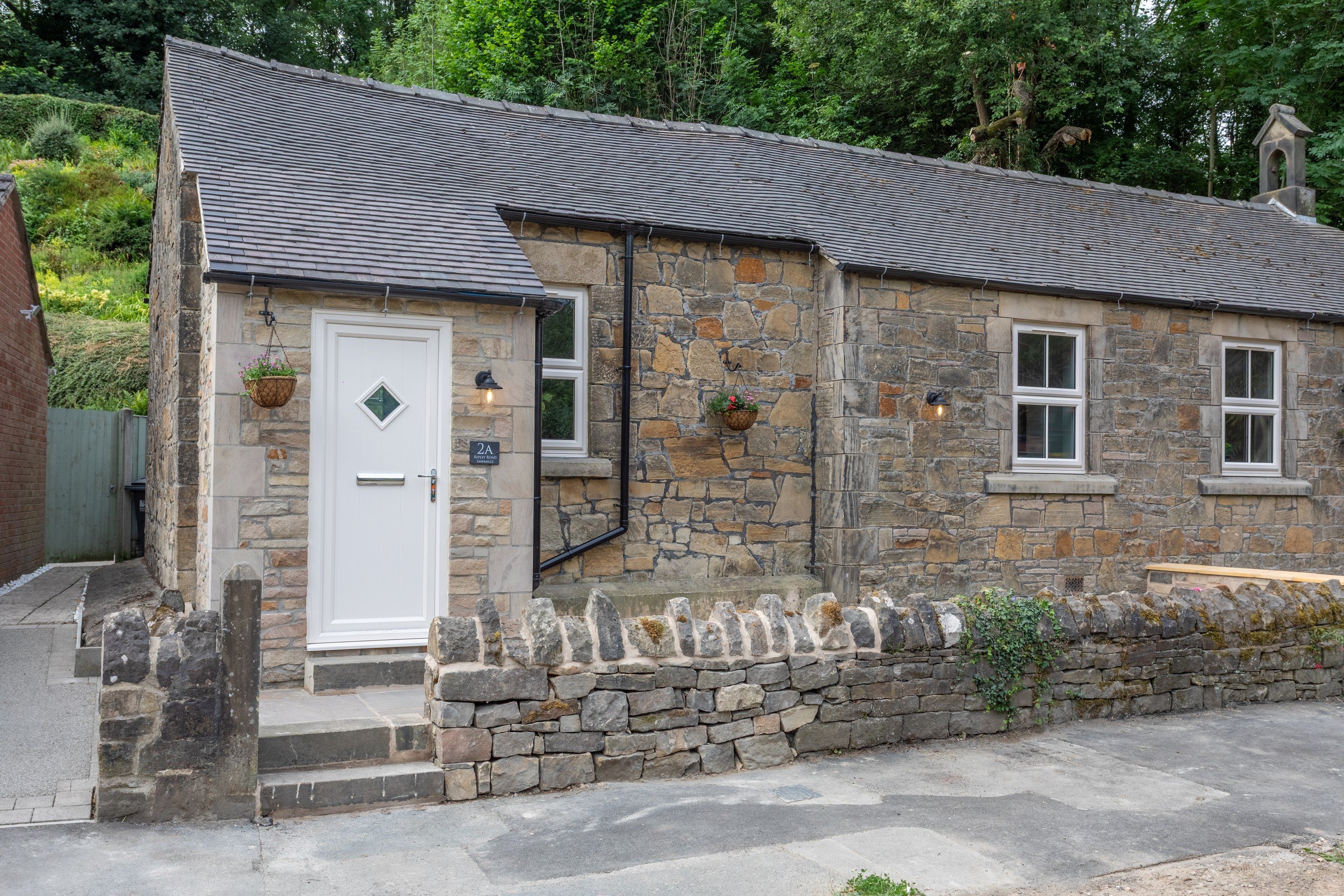
Some buildings have presence. St Mary’s Mission Church in Derbyshire is one of them, a small but characterful church, unloved for a few years and ready for its next chapter.
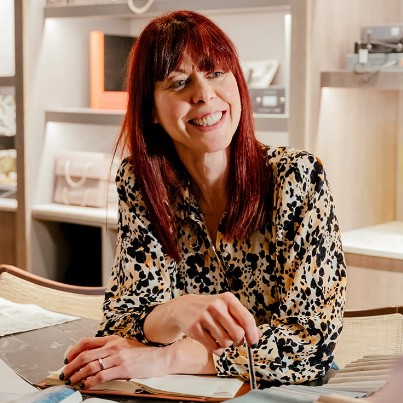
My client, Rachel Knight of TitleSplit.com, and her husband Andy had the vision to convert the building into two stylish, two-bedroom bungalows as part of a sensitive church conversion project. My role was to make the most of every inch, while honouring the building’s heritage and creating homes that would stand out in the competitive Derbyshire property market.
Here’s how we brought this heritage property renovation to life.
1. Tweaking the Space Plan
Starting with the architects’ drawings, we worked through the GA (General Arrangement) for each unit, making small but impactful internal tweaks to improve flow and usability.
These changes didn’t affect the (already granted) planning, but they did affect how the homes would function, and that’s key when your buyers are looking for a space that’s both practical and inviting.
2. Creating the Interior Design Concepts
While refining the layout, I worked with Rachel and Andy to develop the interior design concepts.
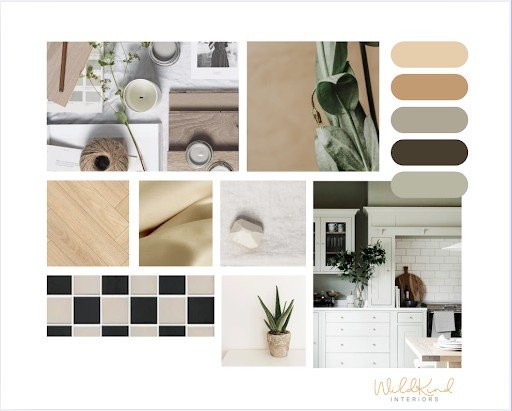
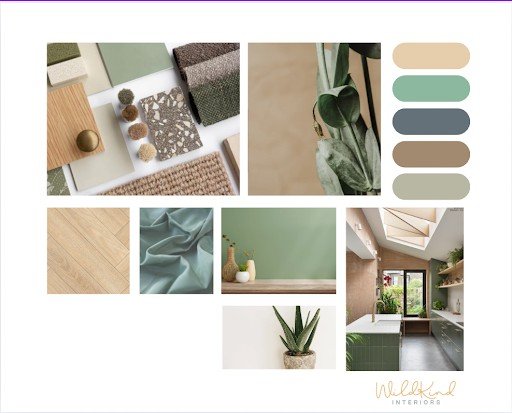
With heritage property projects, the building itself often sets the tone and St Mary’s was no exception. Both concepts featured nods to the building’s character: herringbone flooring, a soft, muted colour palette, and brass detailing for warmth and elegance.
I presented two full concept mood boards, and Rachel and Andy loved them both. So instead of choosing one, we rolled out each concept to a different unit. They complemented each other beautifully (something that isn’t always possible) and gave buyers two equally appealing yet subtly distinct homes to choose from.
Concept Mood Boards for Each Unit
3. Full Finishes Schedule
Once the concepts and GA were agreed, we created a complete finishes schedule for each unit.
This covered every detail:
Flooring
Lighting
Wall finishes
Skirting and architrave
Tiling
Kitchens
Bathrooms
Everything was pulled together into another presentation for Rachel and Andy, so they could sign off the creative before moving forward to the next stage.
4. FF&E Schedule
With client sign-off in place, we created a detailed FF&E (Furniture, Fixtures & Equipment) schedule – essentially a complex spreadsheet with separate tabs for each area, from kitchens to bathrooms.
Each tab included:
Links to every specified product
Images of the items
Name and description
Quantity required
When used alongside the GA drawings, this schedule allows trades to price the job efficiently and accurately, avoiding guesswork and helping to control property renovation costs.
5. Design Intent Drawings, The Design First, Built Smart Approach
With client sign-off in place, it was time to produce the Design Intent Pack; detailed technical drawings that give the construction team everything they need to bring the vision to life.
This included:
Lighting plans
Decor schedules
Flooring layouts
Tiling elevations
Kitchen and bathroom layouts
General Arrangement
The beauty of this approach?
By having the FF&E schedule and design intent drawings ready before you even appoint your construction team, you can send the same detailed pack to multiple trades for tender. This ensures every contractor is pricing from an identical, fully specified brief. No assumptions, no guesswork.
One recent client saved £100k on build costs simply because the tenders were accurate, comparable, and like-for-like. That kind of clarity isn’t possible with vague instructions.
At WildKind Interiors, we call this our Design First, Build Smart approach – because making all the design decisions upfront means you can price accurately, avoid costly surprises, and keep your project on track.
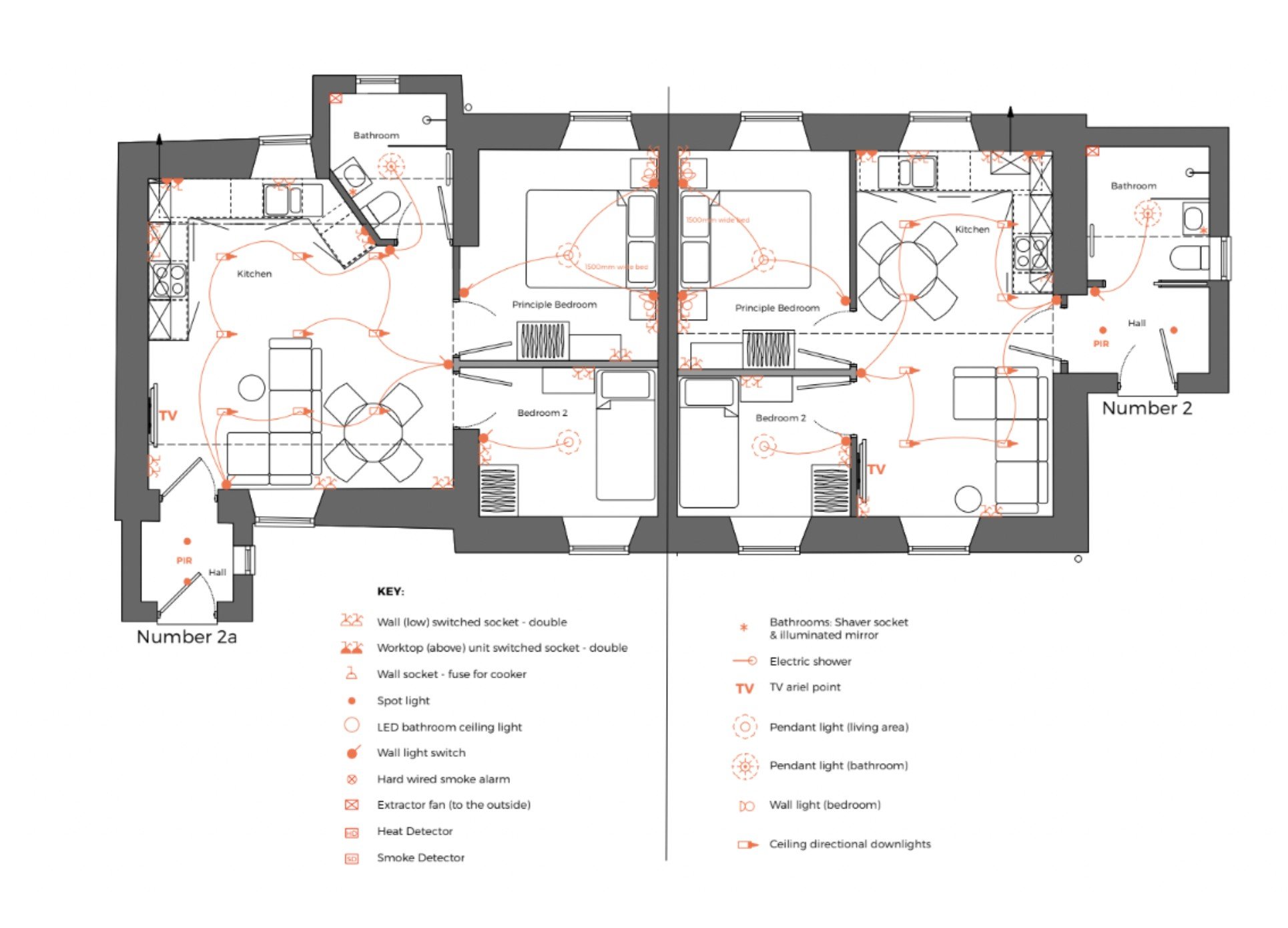
Lighting & Electrics Plan
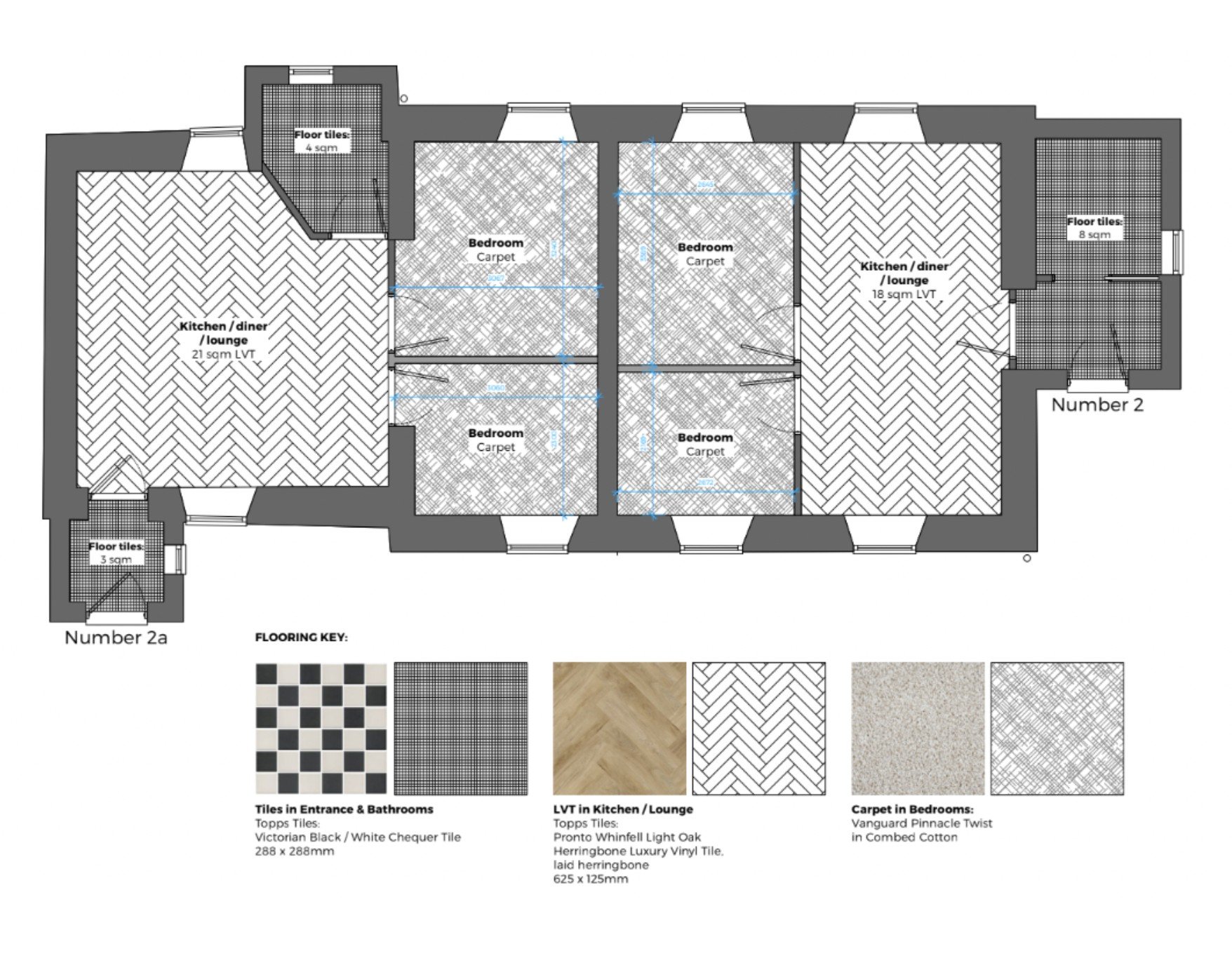
Flooring Schedule
6. (Optional) Furniture and Styling Packages
For projects like hotels or serviced accommodation, we also design and cost out furnishings and window treatments. In this project, Rachel and Andy were selling the units fully finished but unfurnished, so furniture specification wasn’t required.
7. Staging for Sale
Once the construction dust settled and the units were cleaned, my team and I staged them for sale.
This final step ensured each home photographed beautifully for online listings, felt inviting during viewings, and allowed potential buyers to picture themselves living there; a vital part of home staging in the UK property market.
The Finished Result
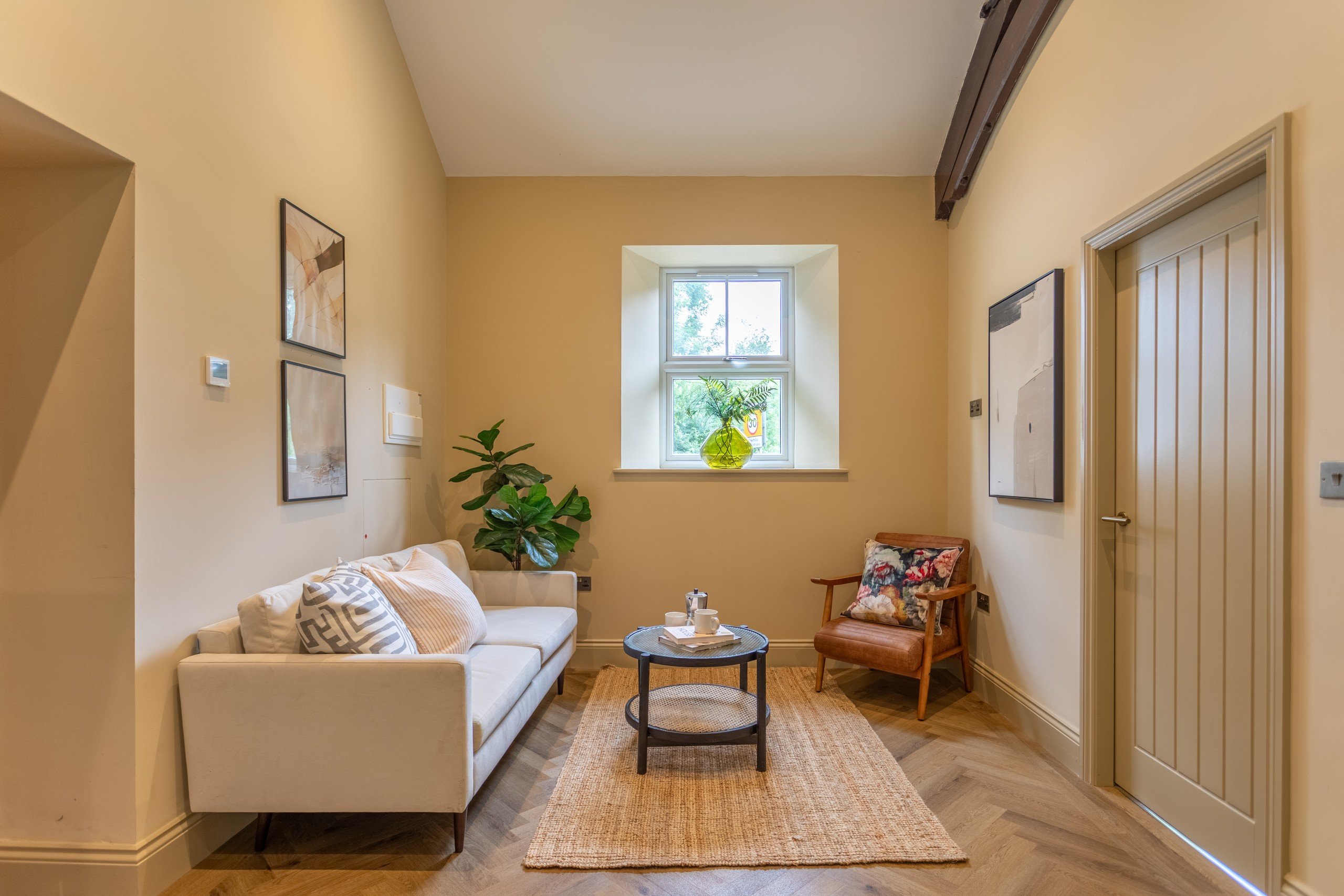
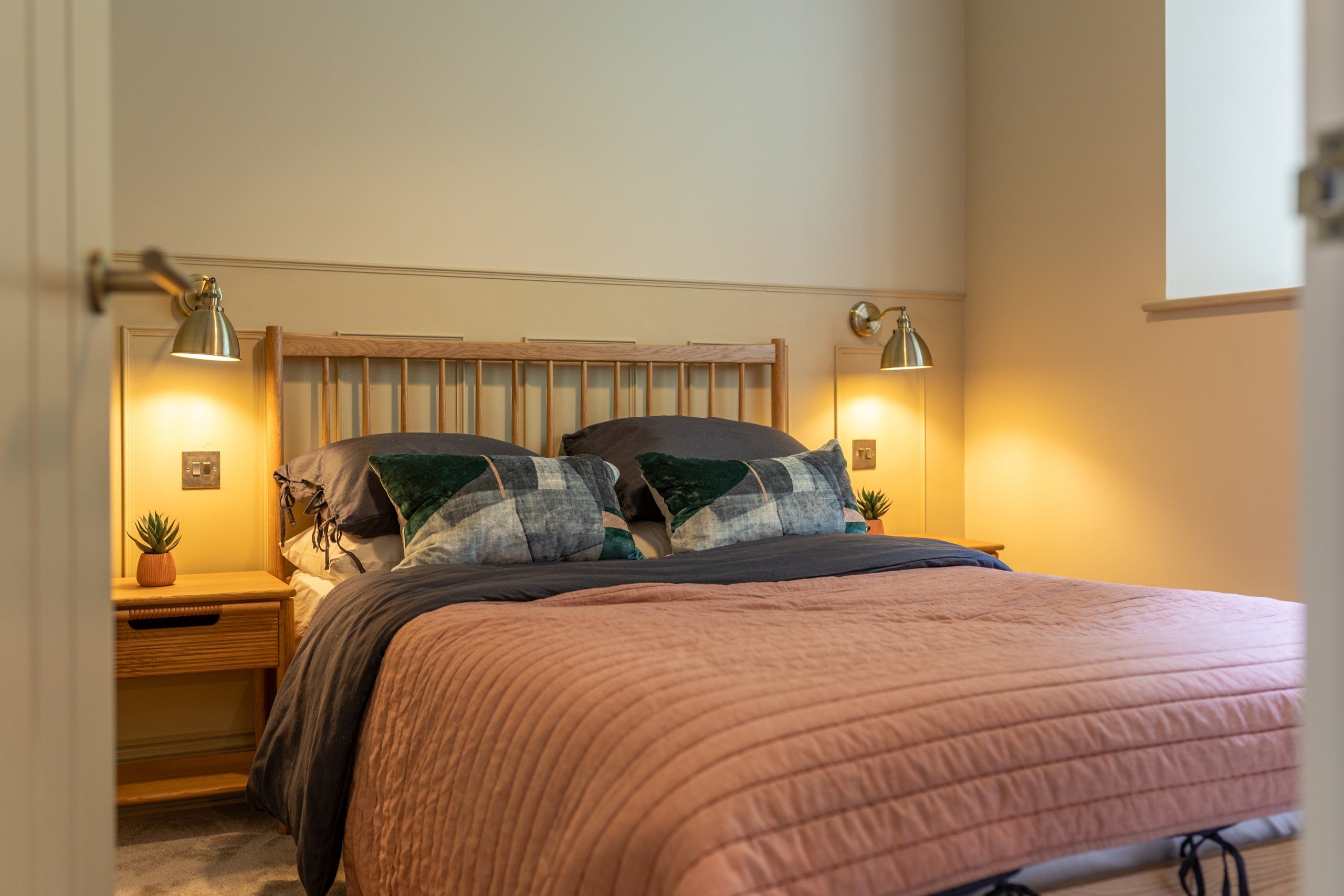
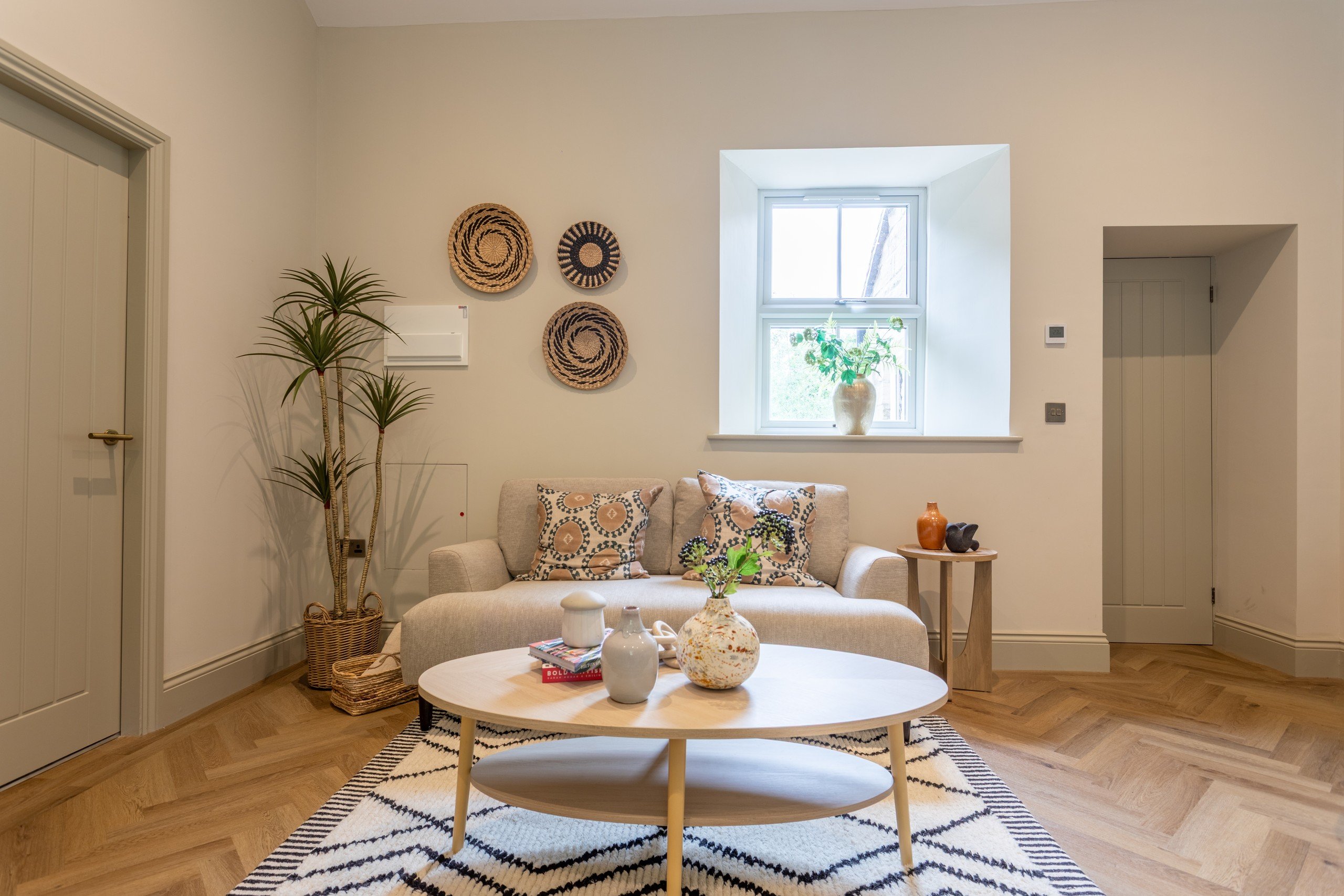
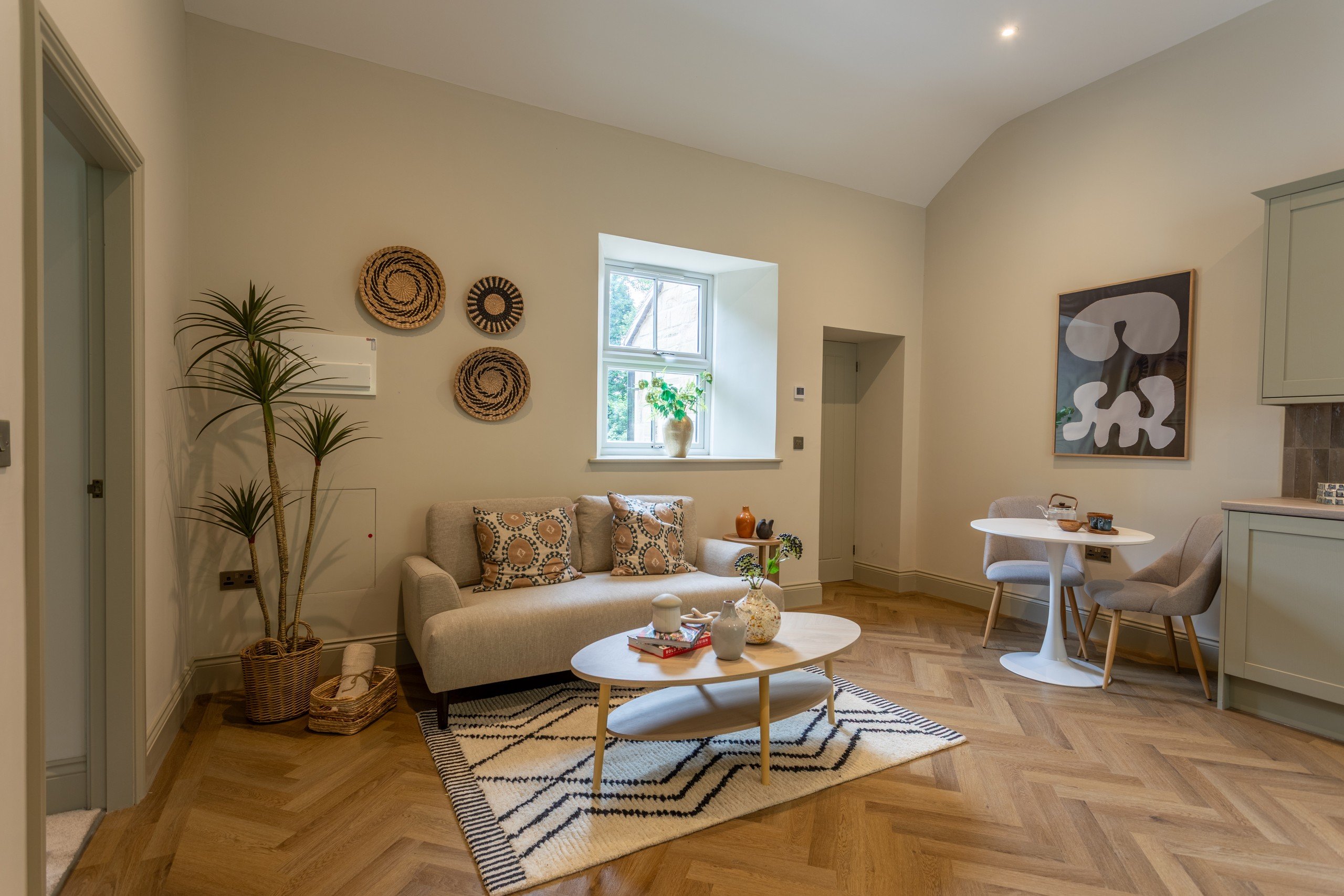
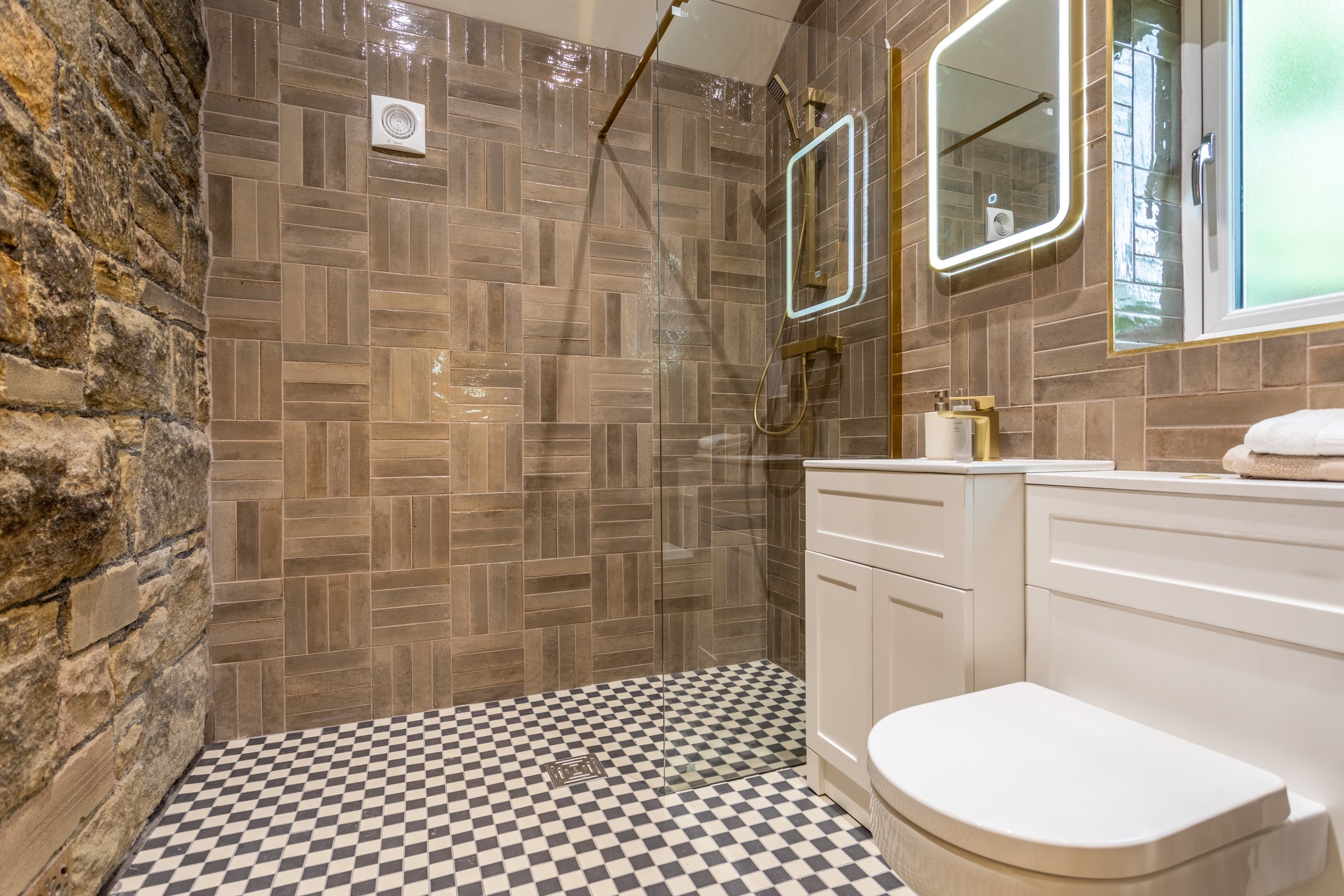
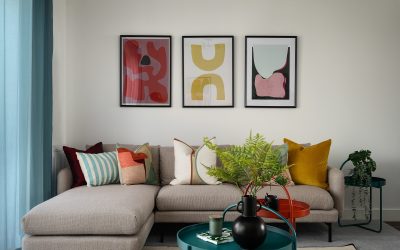
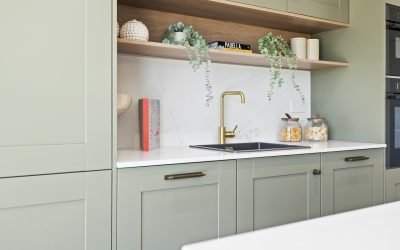
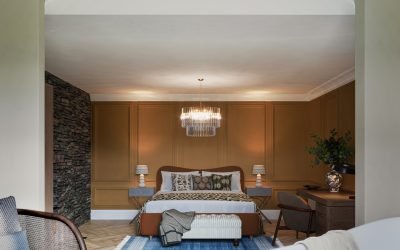
Two beautifully converted bungalows, on the market at the time of writing, that honour the heritage of St Mary’s Mission Church while offering modern comfort and style. Both had their own identity but shared a thread of quality and character that tied the development together.
Thinking of your own property conversion or development project?
Whether you’re turning a historic building into homes, developing from scratch, or flipping a single property, having a detailed interior design and home staging strategy can save you money, speed up the sale, and maximise your return.
Get in touch to find out how we can help.