When you’re under pressure to get a showhome open, it’s tempting to say “just make it look fantastic!” and leave your showhome designer to it. But a simple, clear showhome styling brief can be the difference between you loving their design or feeling it’s not quite hit the mark, and it will save you time (and therefore money) in the long run.
This guide walks you through what to include when you brief your showhome stylist, so they can dress the house in a way that supports your sales strategy without dragging you into a full interior design process.
What Your Showhome Designer Really Needs in a Brief
1. House type and plot context
Step 1 is to give your showhome designer the floor plans and elevations (in PDF and CAD format) so they can see room sizes, circulation and features.
What’s more useful in the brief is the context around this specific plot, so include:
-
House type name and plot number
-
Where it sits in the range on the development; is this your entry-level plot, an aspirational home, or a mid-range “crowd-pleaser”?
-
Any known quirks or talking points, for example, “buyers struggled with bedroom 3 on a previous scheme”, or “we want to really highlight the landing because it’s large and has potential as a work-from-home space”.
-
How sales/marketing describe this home “perfect first home for a professional couple”, “ideal upsizer for a growing family”, “low‑maintenance downsize option”, etc.
The plans tell your showhome designer what’s there; this plot context tells them how the house needs to support your sales story.
2. Who the showhome is for
We need a clear picture of your ideal buyer so we can pitch the showhome styling correctly.
Include:
-
A rough buyer profile: “FTB couple in their late 20s”, “young family with one or two children”, “downsizers”, “professional sharers”, etc. Sometimes there’s more than one ideal client type, so agreeing this in advance is helpful if you have a clear preference. You may choose to leave this to the designer and their experience if you genuinely have no preference.
-
A comment on how they live: do they commute, work from home, have young children, or are they lock‑up‑and‑leave travellers, and so on?
We don’t need a full research report, a couple of lines is enough. If we know it’s a hybrid‑working buyer, we’ll find a way to show a home office nook; if it’s a young family, we’ll style storage and kids’ spaces differently to a lock‑up‑and‑leave professional pad.
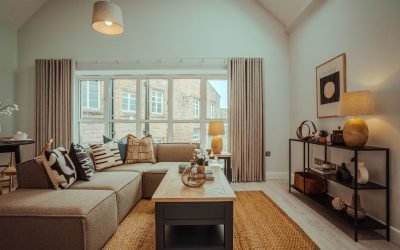
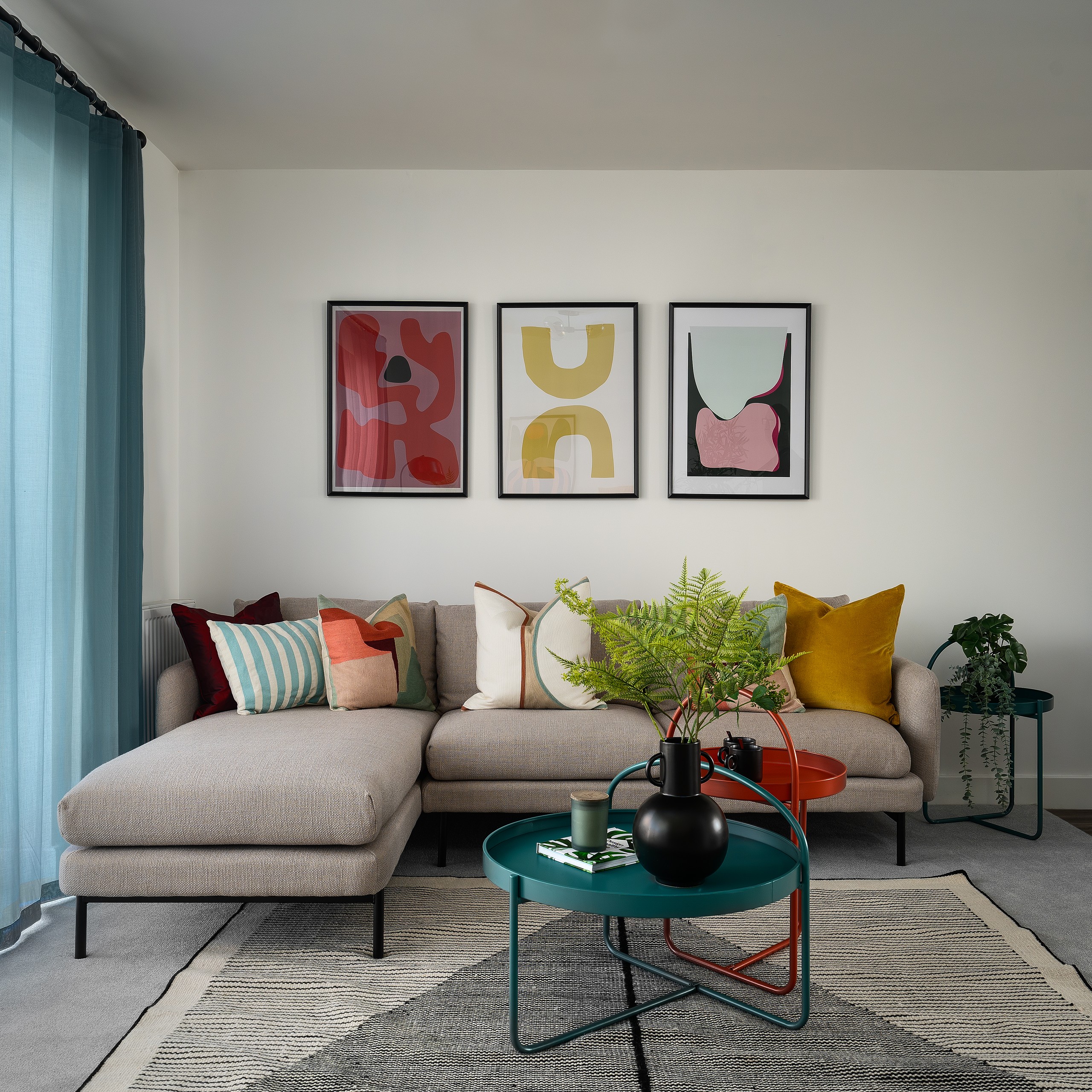
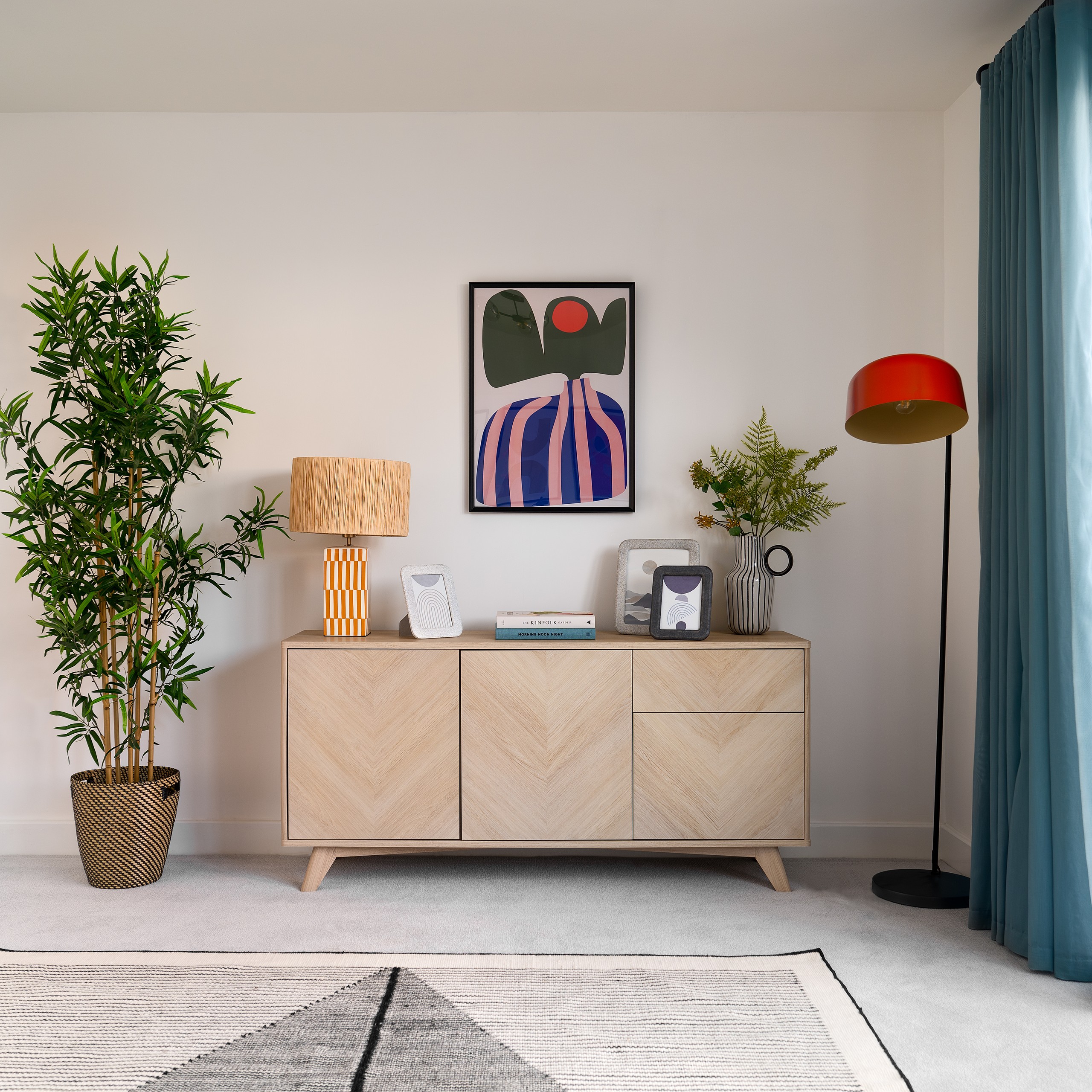
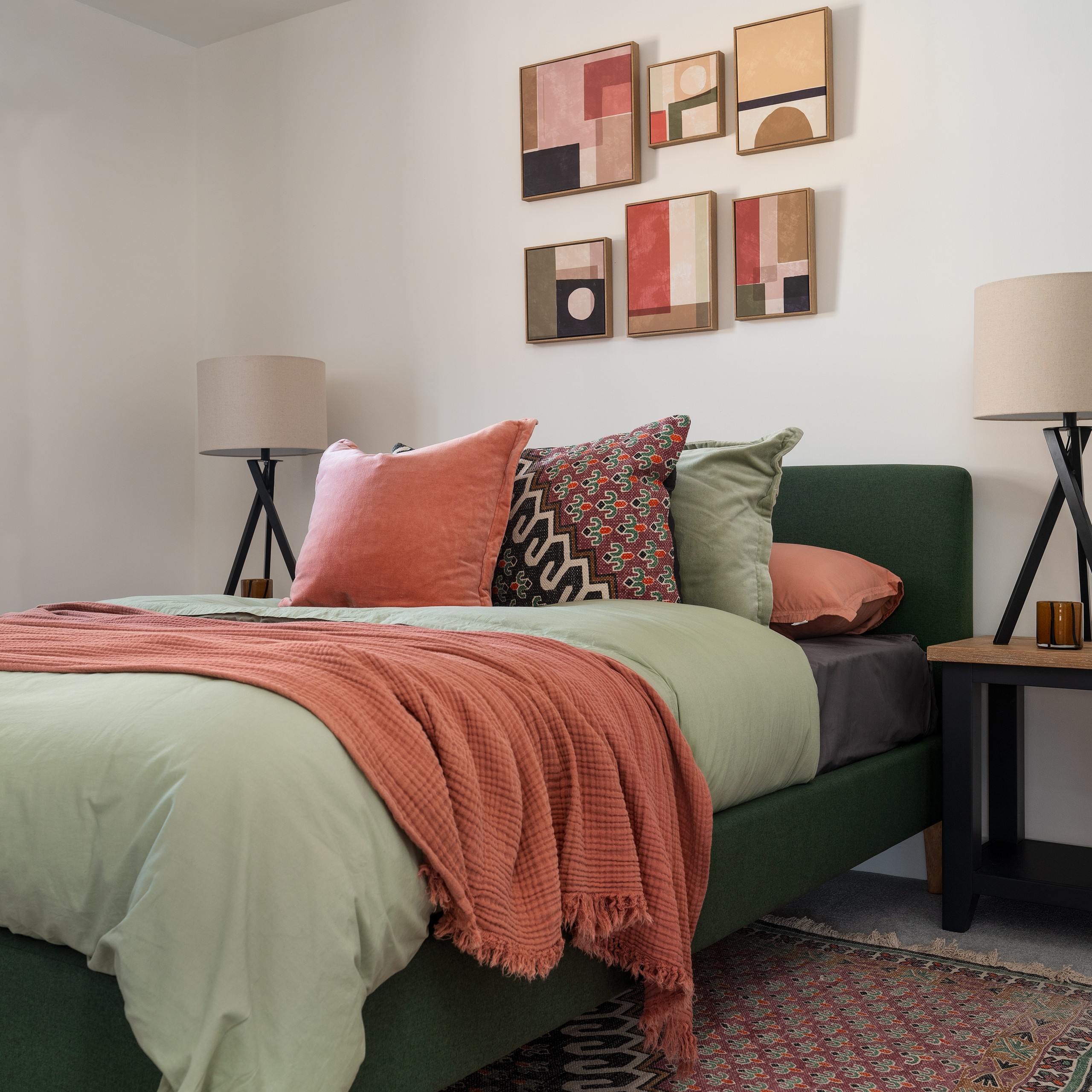
As an example, the brief here was to create a vibrant, youthful home, suitable for a young family with a colour palette that tied to the developer’s brand colours:
3. The look and feel you’re aiming for
This is where you point us in the right direction without dictating every cushion (trust me, cushion fabrics have been dictated before, it’s totally unnecessary to give that level of detail!).
You might describe it as:
-
“Warm, contemporary, nothing too glossy”
-
“Clean, light and Scandi‑inspired”
-
“A bit more luxurious than our last scheme, but still approachable”
If you’re not confident with this, that’s totally fine – you may not have a strong opinion here and may want to let your showhome designer use their knowledge and creativity. But if you do have a preference, it’s much better to voice it at this early stage.
It also helps to:
-
Share one or two showhomes you like (even from competitors) and say what you like about them
-
Mention anything you absolutely don’t want and why
Instead of broad labels like “relaxed family” or “luxury”, it’s more helpful to describe what that actually looks like to you, for example, “no high‑shine finishes, lots of texture, nothing too formal”, or “lighter palette, minimal pattern, no feature walls”. If you just share a stream of Pinterest links without saying what you like about them, your designer has to guess, and that’s where things can go off‑track.
Take a look at this article from national developer Taylor Wimpey. Major housebuilders talk openly about how much thought goes into their showhome interiors, from colour and layout to furniture and finishing touches, because they know buyers are responding to how the home feels as much as the specification.
4. What’s already fixed (spec and finishes)
If your showhome stylist is coming in once the spec is chosen, they will need to know what’s been selected.
Send:
-
Kitchen colour and door style
-
Worktop finish
-
Flooring types and colours (especially in open‑plan areas)
-
Wall colour (if already chosen/painted)
-
Tiling choices in kitchens and bathrooms
Styling will either complement or fight against your chosen finishes; a quick overview helps us choose furniture and accessories that work with what’s already there.
5. Rooms and spaces to prioritise
Let your showhome designer know if there are any rooms you’re unsure about. It might be helpful to discuss, for example, whether you want to show the smallest bedroom as a study, or if there’s a particular way you always like to present certain spaces (such as setting the dining table formally rather than dressing the breakfast bar only). That way, we’re not guessing how you want to style the space if you have a strong opinion on it.
Helpful prompts:
-
Any flexible rooms you’re unsure about: “Is bedroom 4 a study, guest room, or nursery?”
-
Any particular features you want buyers to notice: a generous landing, a bay window, a garden room, a useful understairs cupboard, or a larger‑than‑average utility-come-boot room.
-
Any layouts you always like to show: for example, “we always show a proper desk somewhere”, “we always show a table big enough for six”, or “we always include a children’s room in this type of house”.
This kind of guidance means we can make the most of the whole house while staying aligned with how you already talk about and sell your homes.
6. Your likes, dislikes and red lines
This part is less about the buyer and more about helping the project run smoothly at sign‑off stage. It can be useful to know if there are any absolute “no‑gos” from your side, such as, you never use wallpaper in showhomes, or you avoid glass coffee tables for practical reasons.
What’s less helpful is building a scheme around individual pet hates or favourite colours. A showhome should be led by what will appeal to your target buyer and suit the house type, not by whether someone on the team dislikes a particular shade. If there is a strong preference (“we’d rather avoid very dark walls in smaller rooms”), share the reason behind it, then your designer can make a judgement call that balances personal taste with what will help the home sell.
7. Budget and re‑use expectations
You don’t need a detailed cost breakdown in the brief, but we do need a sense of scale.
It’s helpful to state:
-
Whether this is a fully new scheme or whether you’d like to re‑use some existing stock
-
Budget or price per square foot, so we pitch furniture and styling level appropriately for that showhome and buyer profile
That way, your showhome stylist knows whether to mix trade‑only and high street, and how far to push on layers like artwork, accessories and bespoke pieces.
A Simple Showhome Brief Template You Can Use
If you prefer, you can think of your brief as a few quick headings to send in an email to your showhome designer.
Showhome styling brief checklist:
-
House type, plot number and where it sits in your range
-
Ideal buyer (2 to 3 lines on who they are and how they live)
-
Look and feel (your own words, plus what you like/dislike from any reference showhomes)
-
Key finishes (kitchen, worktops, flooring, walls, tiling)
-
Rooms you’re unsure about and any “must‑show” layouts
-
Your likes, dislikes and any absolute red lines (with reasons where helpful)
-
Practicalities (target date, access, site rules, you can add this as a short extra point)
-
Budget band and re‑use (new vs part re‑use, or a rough budget/£ per sq ft band)
One clear email covering those points will give your showhome designer enough to create a scheme that feels considered, on‑brand and appropriate for your buyer, without dragging you into a full interior design process.
Planning a showhome? Let’s have a chat.
If you’re not quite sure how to brief your designer, are debating how to use a tricky room, or simply want a sounding board before the project starts, feel free to get in touch. A quick conversation at the beginning can save a lot of time, money and frustration later on.
Design first. Build smarter. Always.
Louise Wynne is the founder of WildKind Interiors, a commercially focused interior design and property staging studio working with developers, housebuilders, and investors across the UK. She is trained in applied colour and design psychology and has 20 years of experience using design as a strategic tool to increase GDV and reduce time on market.